


*The top 7 reasons a home doesn’t sell
*Action steps to overcome each of these issues
Photos are often the single most important factor in whether a buyer chooses to schedule a showing or scrolls past your home entirely.
In today’s market, buyers usually see your property online long before they ever experience it in person. Which means your photos aren’t just showcasing the home… they’re creating the first impression, setting expectations, and determining whether buyers feel compelled to learn more.
Unfortunately, poor photography can instantly diminish a home’s perceived value.
Dark images, awkward angles, low resolution, poor lighting, cluttered spaces, missing rooms, or cell phone photography can make even a beautiful property feel smaller, less inviting, or less desirable online. And once buyers lose interest digitally, it becomes much harder to get them through the door.
On the other hand, strong photography creates emotion, captures attention, and highlights the features that make a home stand out. It helps buyers feel connected before they ever step inside.
And it’s not just about having professional photos — it’s about having the right photos.
Strategic image selection, proper lighting, thoughtful composition, aerial imagery when appropriate, twilight photography, and showcasing the lifestyle of the property can dramatically impact buyer interest and engagement.
In many cases, improving the visual presentation alone can completely change the trajectory of a listing.

Getting a home on the market and getting it noticed are two very different things.
Today’s buyers are highly visual, digitally driven, and quick to move on if a property doesn’t immediately capture their attention online. In many cases, a listing may have been technically “active,” but not strategically marketed to reach the right audience in the right way.
Professional photography alone is no longer enough. Strong listings require compelling presentation, intentional branding, targeted digital exposure, social media strategy, search visibility, and ongoing promotion throughout the life of the listing — not just when it first hits the market.
Another common issue is something known as listing fatigue.
When a home sits on the market too long without adjustments, buyers begin to assume something is wrong — even when there isn’t. Interest naturally declines, showings slow down, and the listing can become stale if the marketing, photos, pricing strategy, or presentation aren’t refreshed along the way.
The good news is that perception can often be reset.
With the right strategy, updated presentation, stronger positioning, and a fresh approach to marketing, many homes that previously struggled to sell can attract renewed interest and stronger buyer engagement.
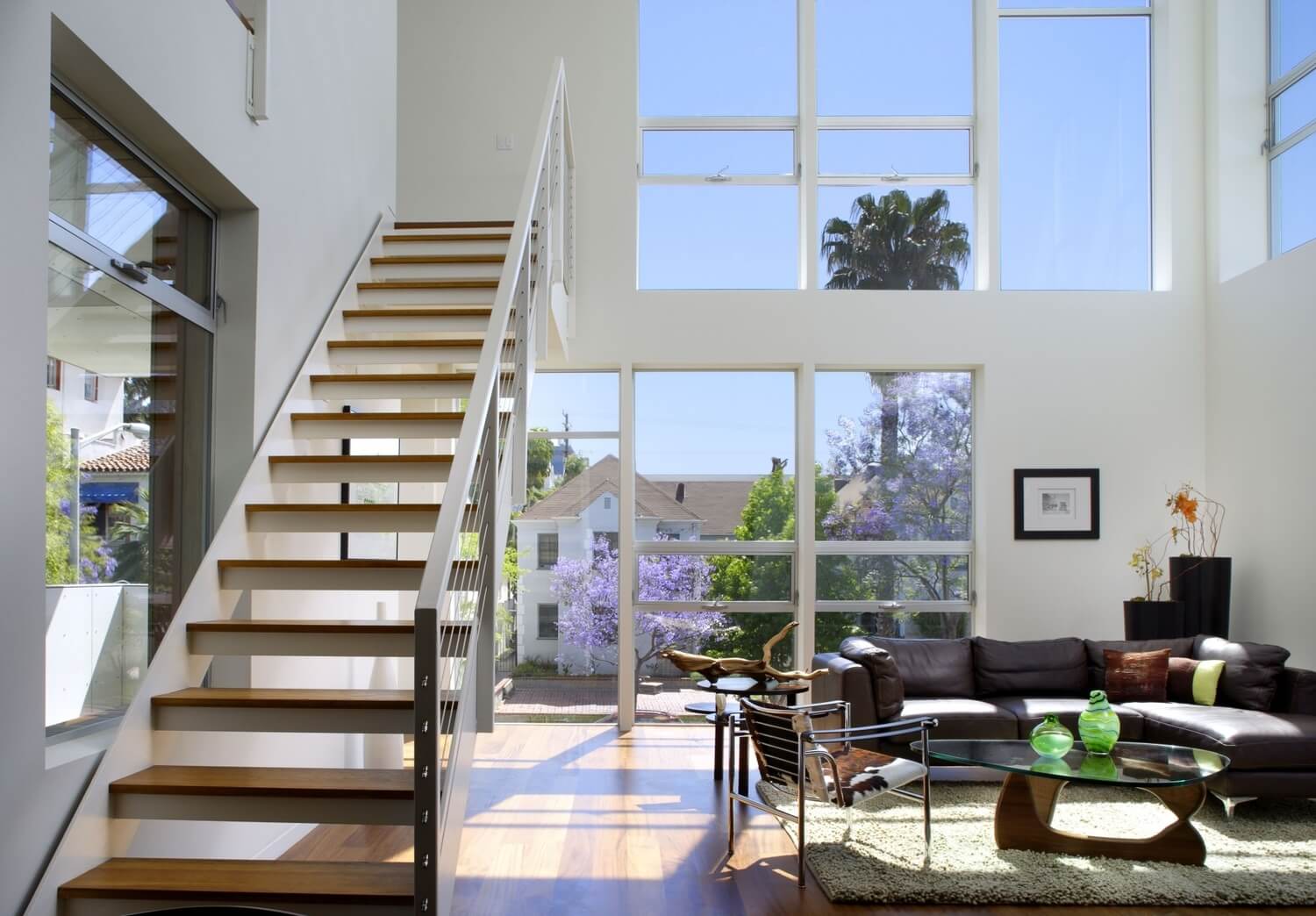
In real estate, first impressions matter more than ever! And most buyers decide how they feel about a home within moments of seeing it online or walking through the front door.
If your home received consistent showings but little to no serious interest, the issue may not have been exposure, it may have been buyer perception.
Today’s buyers are highly sensitive to presentation. Small details that homeowners often overlook can quietly influence how a property is perceived. Deferred maintenance, outdated finishes, unusual odors, dark spaces, signs of moisture, visible wear, or even an overly personalized interior can create hesitation and emotional disconnect during a showing.
And in a competitive market, hesitation is costly.
The goal isn’t perfection; it’s helping buyers emotionally connect to the home and feel confident in its value. Cleanliness, lighting, strategic updates, thoughtful staging, and strong presentation can dramatically change how a property is experienced both online and in person.
Often, it’s not about spending a fortune. It’s about knowing which improvements actually move the needle — and which ones don’t.
Before relisting a property, I always walk through the home with a fresh set of eyes to identify opportunities that could strengthen buyer appeal, improve perception, and ultimately increase the likelihood of a successful sale.

Pricing a home is part data, part strategy, and part buyer psychology.
One of the most common reasons a home fails to sell isn't that the property lacks value, but that the pricing strategy doesn’t align with how today’s buyers view the market.
Buyers have more access to information than ever before. Within seconds, they’re comparing your home to competing properties, recent sales, price reductions, days on market, and overall perceived value. If a home is priced even slightly outside of what buyers believe makes sense, many will simply move on without ever scheduling a showing.
And unfortunately, the longer a home sits without activity, the more buyers begin to question the price, which can create a cycle that becomes increasingly difficult to overcome.
That doesn’t always mean a dramatic price reduction is necessary.
Sometimes the solution involves improving presentation, repositioning the marketing, adjusting timing, or creating stronger value perception through updates, staging, or buyer incentives. In other situations, a strategic price adjustment may be the key to generating renewed interest and attracting serious buyers.
The goal is never to “give away” your home. The goal is to position it competitively enough to create attention, activity, and ultimately leverage.
A successful pricing strategy isn’t about chasing the market — it’s about understanding it.

The way buyers shop for homes has changed dramatically, especially in Florida, where many buyers are relocating or purchasing from out of state.
For a large percentage of today’s buyers, the first showing happens online.
If a listing only includes photos, buyers are often left with unanswered questions about how the home flows, how the spaces connect, what the scale feels like, or whether the layout truly fits their lifestyle. And when buyers feel uncertain, they typically move on to the next property.
That’s where video and floor plans become incredibly important.
A well-produced video tour creates emotion, movement, and connection in a way static photos simply can’t. It helps buyers envision the lifestyle the home offers, not just the rooms themselves. An accurate floor plan gives buyers clarity, context, and confidence before they ever step foot inside the property.
This is especially critical for relocation buyers, second-home buyers, and busy professionals who may be making decisions remotely or narrowing down properties before traveling to see them in person.
Homes that fail to fully tell their story online can unintentionally lose qualified buyers before a showing is ever scheduled.
In today’s market, strong digital presentation isn’t optional — it’s part of the selling strategy.

Most listing descriptions sound exactly the same.
“Beautiful 3-bedroom home with open floor plan, updated kitchen, and spacious backyard…”
The problem is, buyers don’t connect emotionally with generic real estate jargon, especially in an online-driven market where they’re scrolling through dozens of listings in minutes.
A home is more than a number of bedrooms and bathrooms. Buyers want to understand how the home lives, how the space feels, and what kind of lifestyle it offers. They want to picture morning coffee on the lanai, sunset walks by the water, weekends entertaining friends, or the convenience of being close to everything they enjoy.
That emotional connection matters.
Strong listing copy should do more than describe features; it should tell a story. It should highlight the experience of living in the home and the value of the surrounding area, community, and lifestyle. Especially here in Florida, many buyers aren’t just purchasing a property… they’re buying into a way of life.
When a listing relies solely on standard MLS language, it can fail to differentiate the home or create the emotional pull that motivates buyers to schedule a showing.
The right messaging helps buyers see beyond the facts and statistics — and start imagining themselves living there.

Sometimes, it’s not the home that’s the problem; it’s the timing.
Real estate markets move in cycles, and buyer behavior can shift quickly based on inventory levels, interest rates, seasonality, consumer confidence, and even local competition. A home that would’ve received multiple offers a few months earlier can suddenly experience slower traffic simply because market conditions changed.
When there are more buyers than available homes, properties tend to move quickly and with stronger terms. But when inventory rises, and buyers have more options, homes naturally face more competition. Buyers become more selective, more cautious, and homes can sit longer, especially if the strategy doesn’t adjust with the market.
The good news? Timing challenges can often be overcome.
Strategic pricing, stronger marketing, improved presentation, targeted buyer outreach, and the right incentives can dramatically improve a home’s position — even in a shifting market.
If timing may have played a role in your home not selling, I’d be happy to help you understand what the market was doing during your listing period and what opportunities may exist now.

Ready to Make a Move?
Kristin Gilardi is the committed agent you’ve been looking for.
I promise to listen to your concerns and keep you informed of the nuances in our local market so you can reach all of your real estate goals. Reach out today for help with your home buying, selling, or investing needs!